Maximizing HVAC System Longevity: Best Practices for Sustainable Performance Aug 04, 2026
The first step in extending the life of your HVAC system is regular maintenance. Just like you wouldn't skip oil changes for your car, your HVAC system also requires periodic upkeep. A routine inspection by a professional can identify small issues before they become costly repairs. Typically, it is recommended to have your system inspected at least twice a year—once before the summer and once before the winter. This proactive approach ensures that your system is operating efficiently when you need it the most.
Another key practice is to regularly change or clean your air filters. Dirty filters restrict airflow, causing your system to work harder than necessary and significantly reducing its lifespan. A rule of thumb is to check your air filters every month and replace them every three months, or more frequently if you have pets or allergies. Clean filters not only enhance the performance of your HVAC system but also improve the air quality in your home.
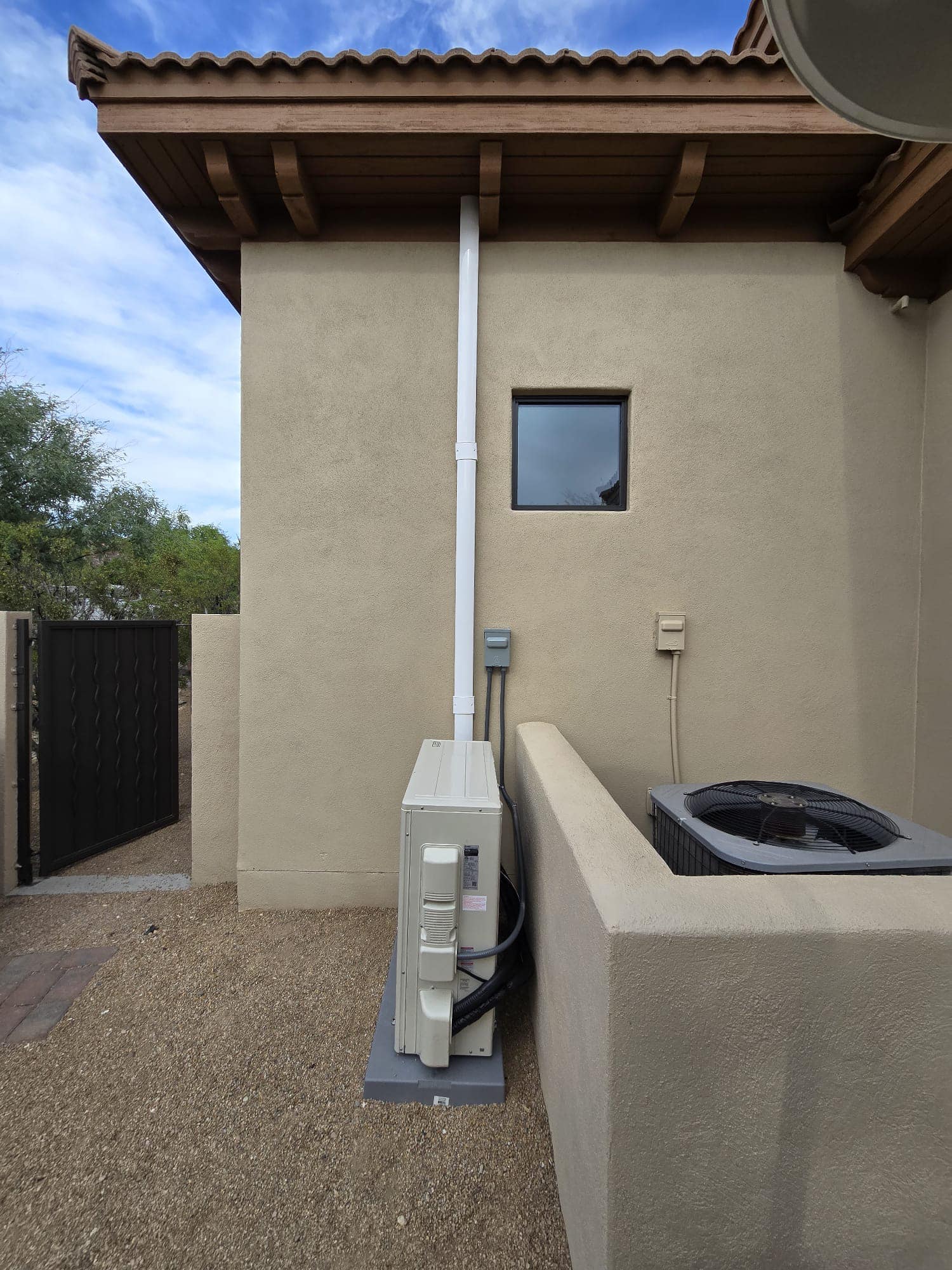
Keeping the area around your outdoor unit clear is also essential. Overgrown vegetation, leaves, and debris can obstruct airflow and reduce efficiency. Ensure there’s at least two feet of clearance around the unit and regularly inspect it to clear away any debris. This simple task prevents potential blockages and helps the system run smoothly, conserving energy and enhancing durability.
Upgrading to a programmable thermostat can further extend the lifespan of your HVAC system. Programmable thermostats reduce strain by optimizing heating and cooling schedules based on your lifestyle. This regulation means your system is not working harder than necessary, thereby reducing wear and tear. By tailoring your HVAC usage to when you are home and awake, you can cut down on needless energy consumption and save on utility bills.
Insulating your home effectively can also make a significant difference. Proper insulation reduces the load on your HVAC system, helping it to maintain the desired temperature without overexerting. Focus on insulating your attic, ceiling, floors, and any other areas that can lead to heat gain or loss. This not only stabilizes the internal temperature but also decreases the frequency at which your HVAC system cycles on and off, extending its life.
Finally, being mindful of closing vents in unused rooms can be counterproductive. Many homeowners mistakenly believe that closing vents will save them money and energy. However, this can increase pressure in the system and lead to duct leakage or reduce the efficiency of your system. Instead, keep vents open and consider using zoning systems for more targeted heating and cooling.
In conclusion, taking steps to maintain your HVAC system proactively is essential to its performance and longevity. By following these best practices—regular maintenance, filter changes, outdoor unit care, smart thermostat use, effective insulation, and understanding airflow dynamics—you can ensure that your HVAC system operates at its best for years to come. For professional assistance or more information on maintaining your HVAC system, contact A/C Bros; we’re here to help keep your home comfortable across all seasons.
/filters:no_upscale()/filters:format(webp)/media/f69e6f8b-db33-4557-8f15-c9f972398c64.jpeg)
/filters:no_upscale()/filters:format(webp)/media/af47feac-24a4-4c42-896e-02437da499e2.jpeg)