The Ultimate Guide to Properly Sizing Your HVAC System for Optimal Efficiency Jul 07, 2026
When it comes to HVAC systems, bigger isn't always better. An oversized unit can cause short cycling, leading to unnecessary wear and tear. This not only decreases the lifespan of the equipment but also hikes up your energy bills. Similarly, an undersized system will struggle to maintain the desired temperature, resulting in continuous operation and higher energy usage. Therefore, finding the perfect balance is key.
The first step in sizing your HVAC system is understanding the concept of BTUs, or British Thermal Units, which measure the amount of heat an air conditioning unit can remove from a room per hour. Proper BTU estimation is vital when choosing an HVAC system. Various factors influence BTU requirements, including the size of your home, the number of windows and doors, your local climate, and your home's insulation quality.
One effective method to calculate the right size is performing a Manual J load calculation, which provides a precise measure of your heating and cooling needs. This calculation takes into account not only square footage but also how your home gains or loses heat. While it sounds complex, many professional HVAC technicians offer this service. A detailed assessment from A/C Bros can guide you in selecting appropriate equipment that fits the unique demands of your home.
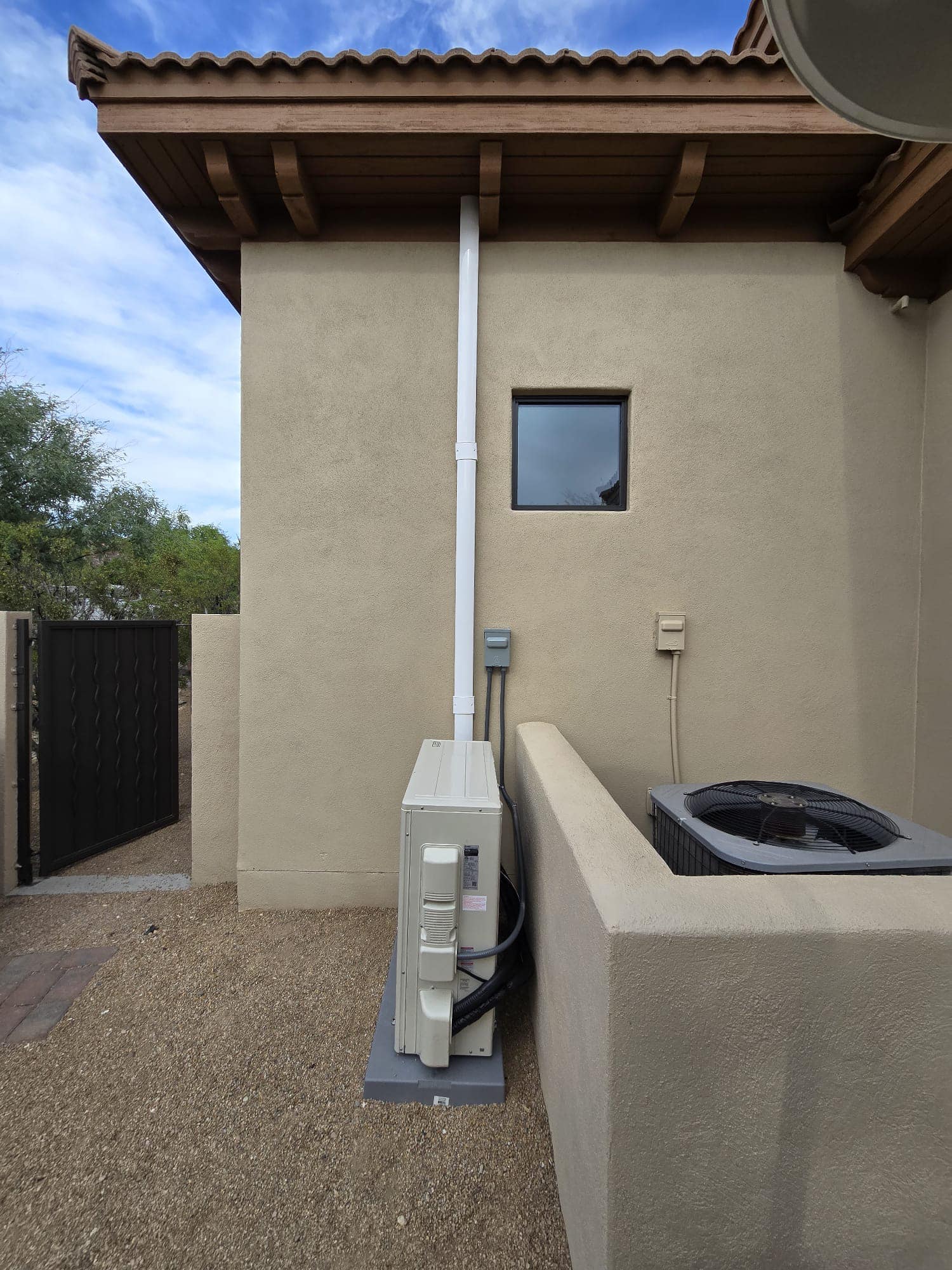
You should also consider the type of HVAC system that best fits your needs. Central air systems distribute cool air through ducts and are ideal for multiple rooms. Alternatively, ductless mini-split systems are perfect for localized cooling, providing flexibility for houses without the infrastructure for ductwork. Each type offers different benefits and requires specific sizing considerations.
Another factor influencing HVAC efficiency is the system's SEER rating. The Seasonal Energy Efficiency Ratio (SEER) measures air conditioning and heat pump cooling efficiency. A higher SEER rating indicates a more efficient system. Modern units typically range from 13 SEER to over 20. Choosing a system with a suitable SEER rating that meets your area's climate demands can lead to significant energy savings.
In addition to initial sizing, regular maintenance is critical for ensuring ongoing efficiency and system performance. Scheduled inspections, filter replacements, and component cleaning can prevent inefficiencies and prolong your system’s lifespan.
Ultimately, enlisting the help of professionals for the sizing process is a wise investment. At A/C Bros, our team is equipped with the expertise to recommend the best-suited HVAC system for your home. Our dedication to customer education and satisfaction ensures you receive not just expert service, but also the knowledge to maintain an efficient home environment.
In conclusion, properly sizing your HVAC system contributes to optimal home comfort and energy efficiency. By considering factors such as BTU needs, load calculations, SEER ratings, and system type, you'll be well on your way to selecting the perfect unit. Trust the professionals at A/C Bros to guide you in making the best decision for your HVAC needs, ensuring that your home remains a comfortable haven throughout every season.
/filters:no_upscale()/filters:format(webp)/media/f69e6f8b-db33-4557-8f15-c9f972398c64.jpeg)
/filters:no_upscale()/filters:format(webp)/media/af47feac-24a4-4c42-896e-02437da499e2.jpeg)